3 hr
Udawalawe Elephant Safari with Expert Guide
Explore a 308-square-kilometer wildlife reserve famous for its free-roaming elephant herds and diverse fauna.
Reserve
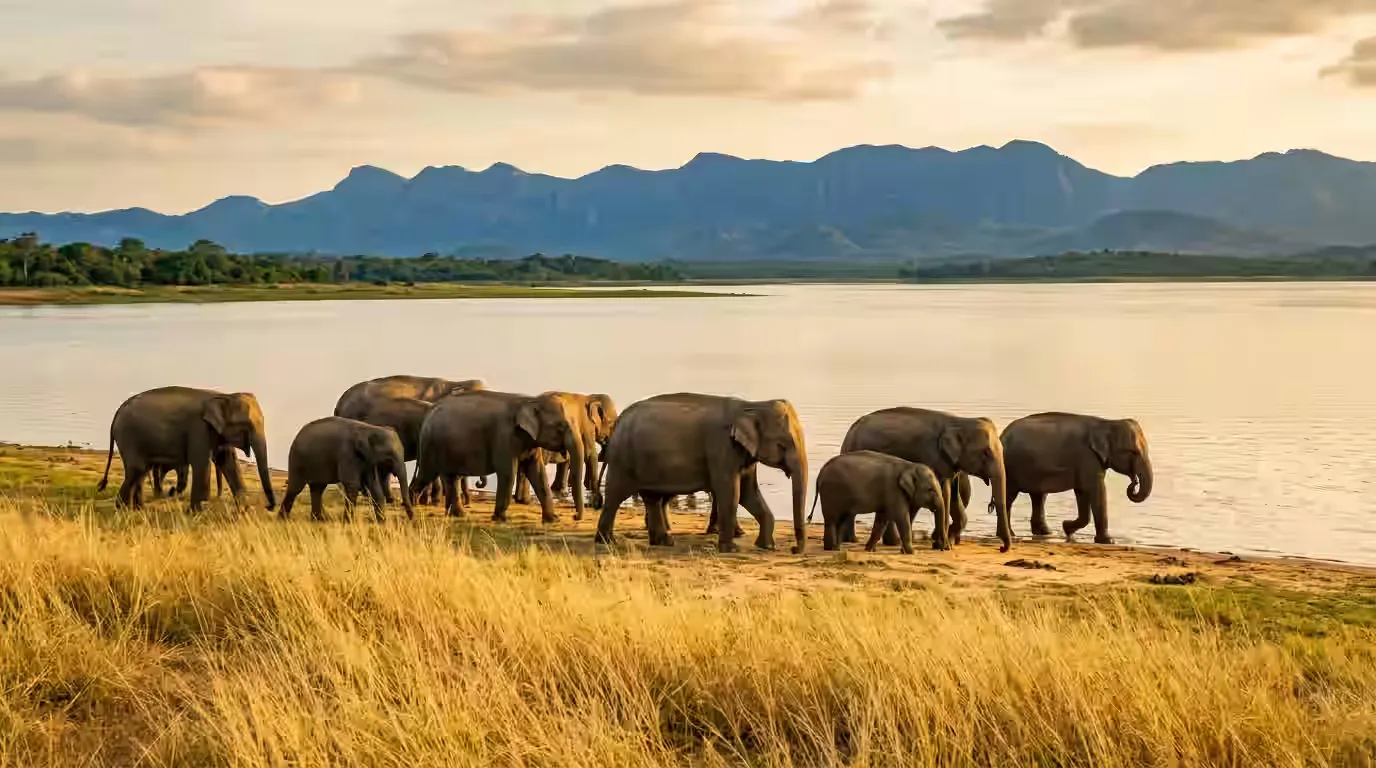
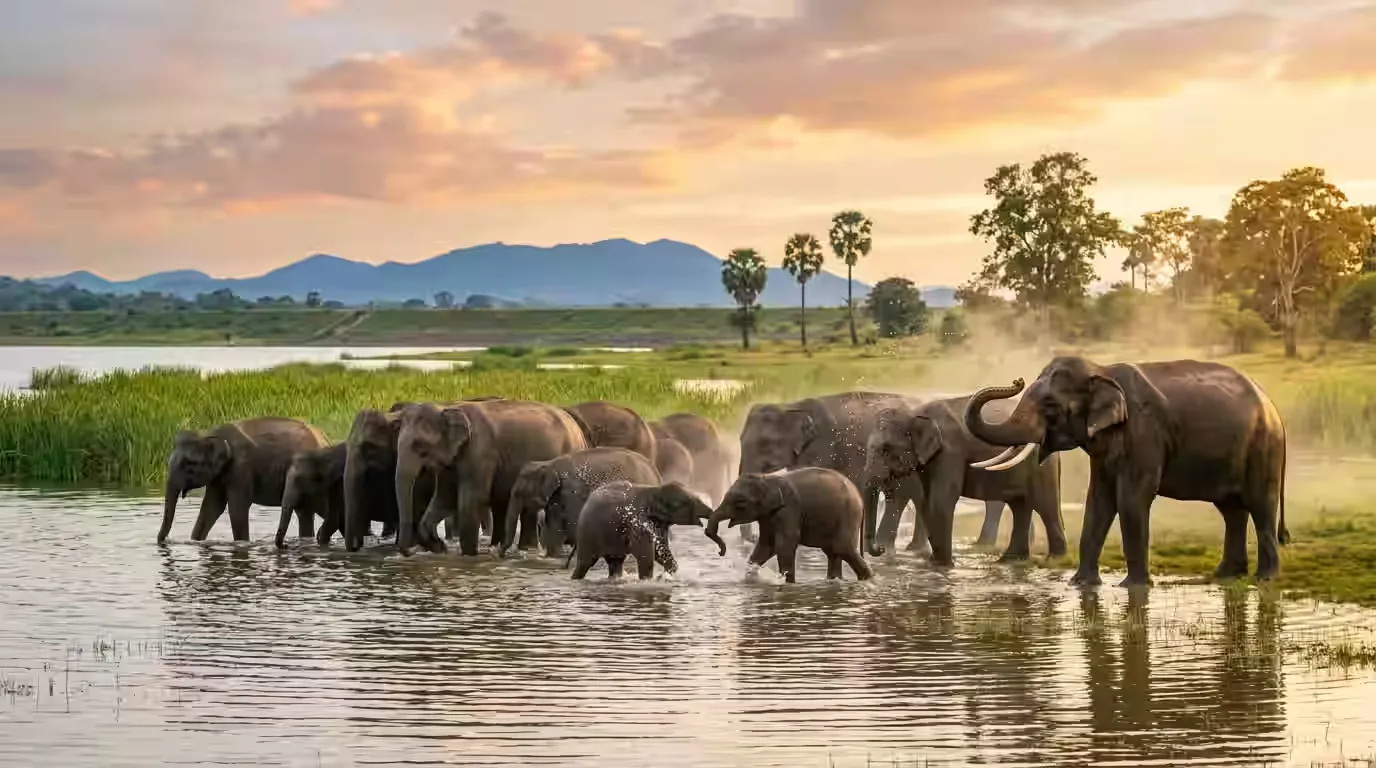
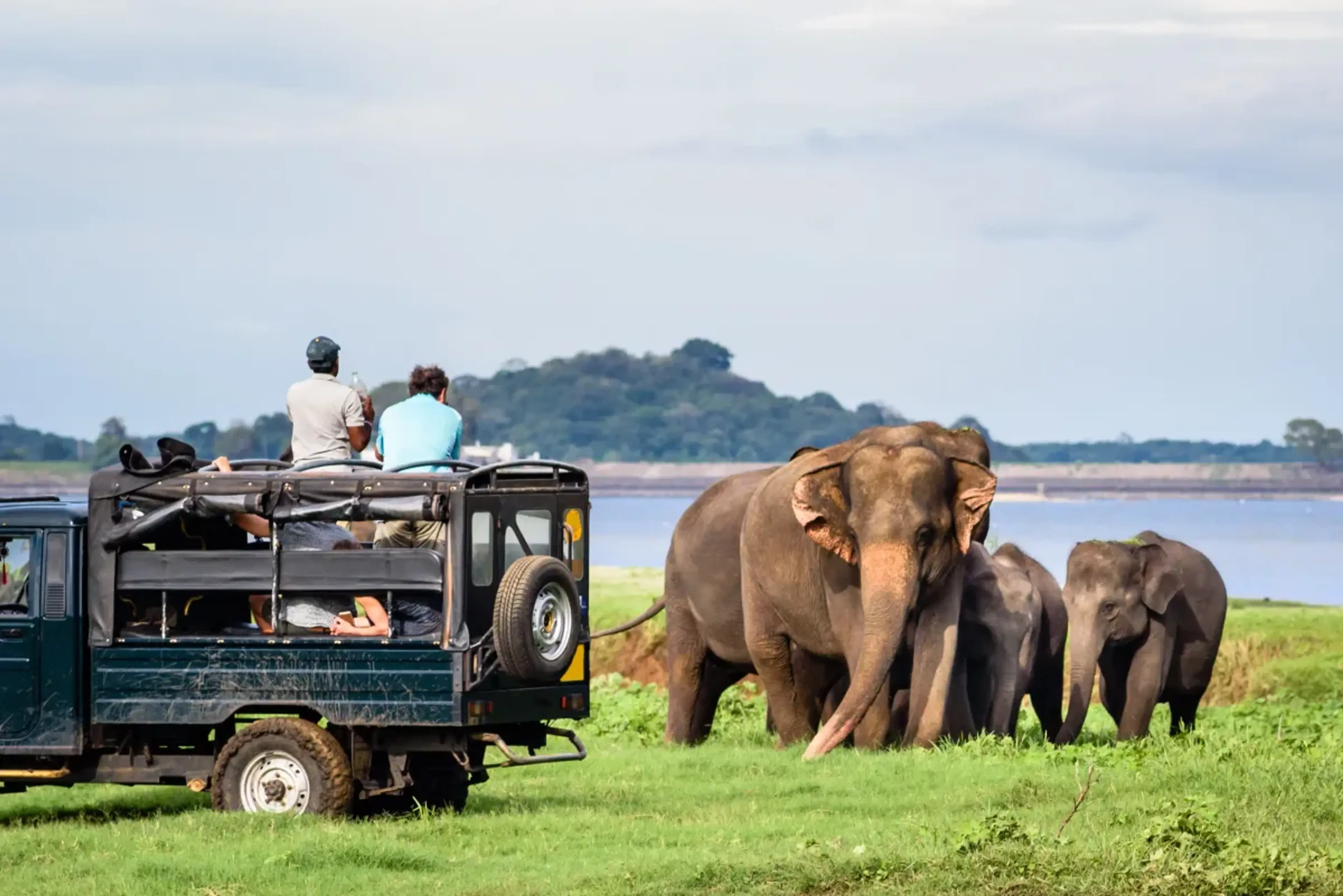
Five hundred elephants roam freely, the herds gather at dusk by the reservoir
Hand-picked by our editors — only the best 8 safari experiences from 23 reviewed.
Verified partners for Udawalawe Safari tours, free cancellation where available, and instant confirmation on every booking.
3 hr
Explore a 308-square-kilometer wildlife reserve famous for its free-roaming elephant herds and diverse fauna.
Reserve
4 hr
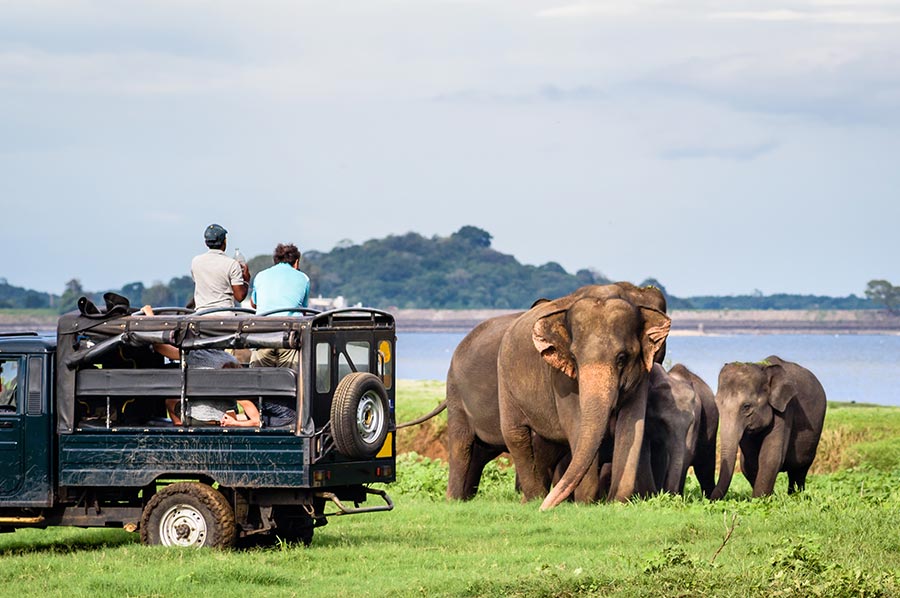
Four-hour jeep safari through Sri Lanka's premier wildlife reserve with visits to orphaned baby elephants
Reserve
7 hr
Journey through 230,000+ hectares of wilderness to witness one of Asia's largest wild elephant herds
ReservePrices from verified partners. Availability updates in real time at checkout. Free cancellation policies apply where shown.
The landmarks, rooms, and views travelers on Udawalawe Safari tours remember — all visible on a single visit.
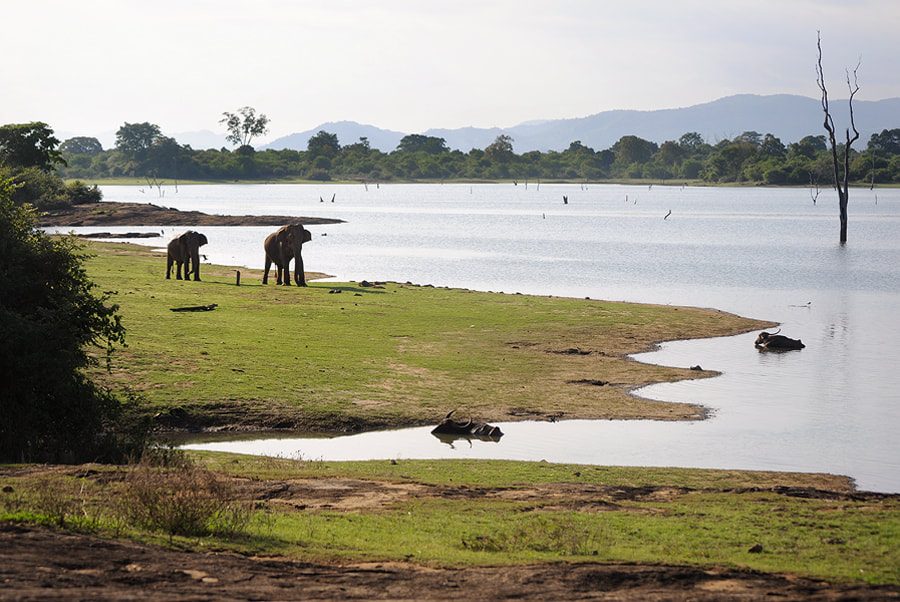
A central water body attracting large elephant herds and various bird species for bathing and drinking.
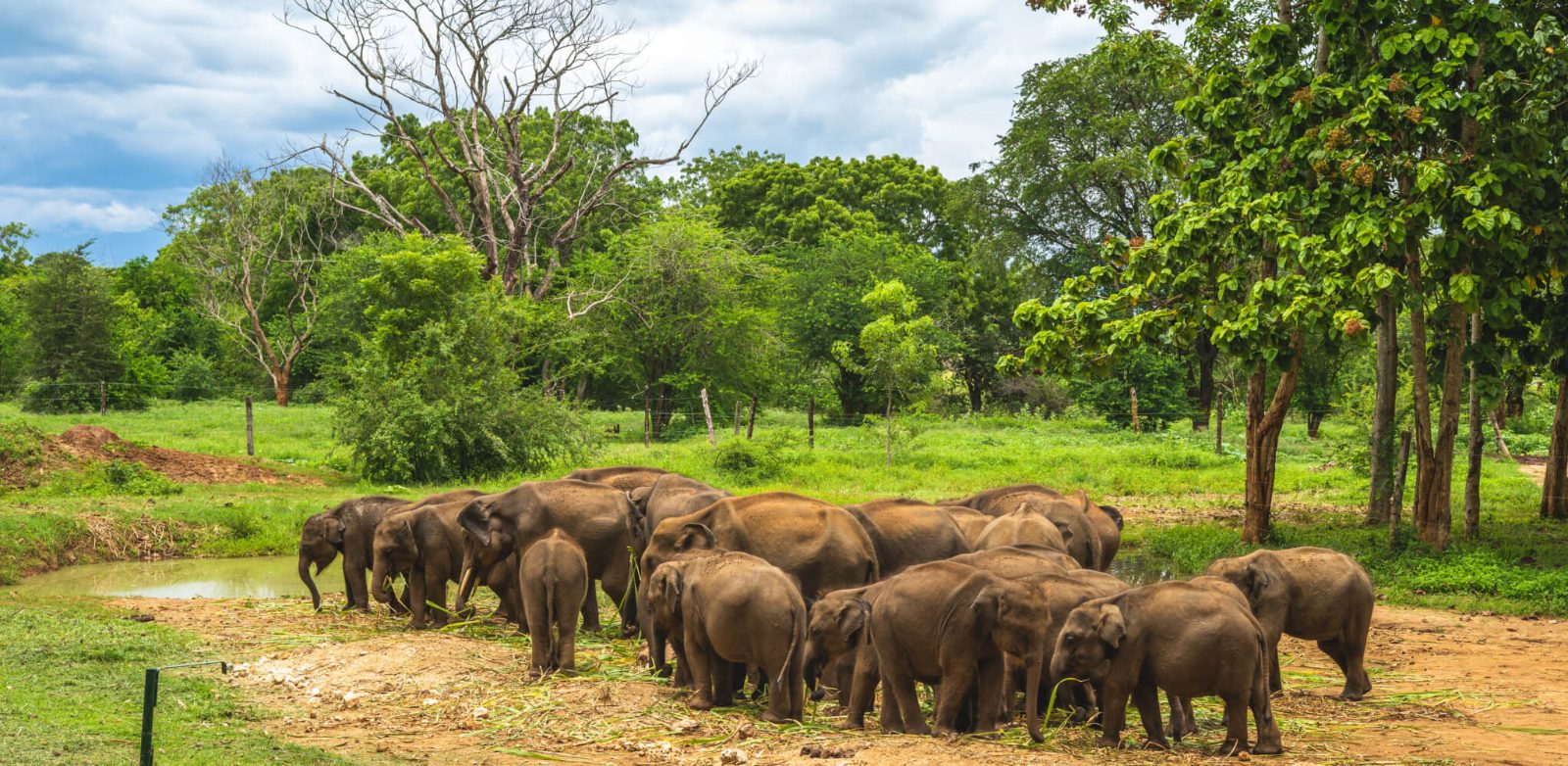
A rehabilitation center where orphaned elephant calves are cared for before their eventual release.
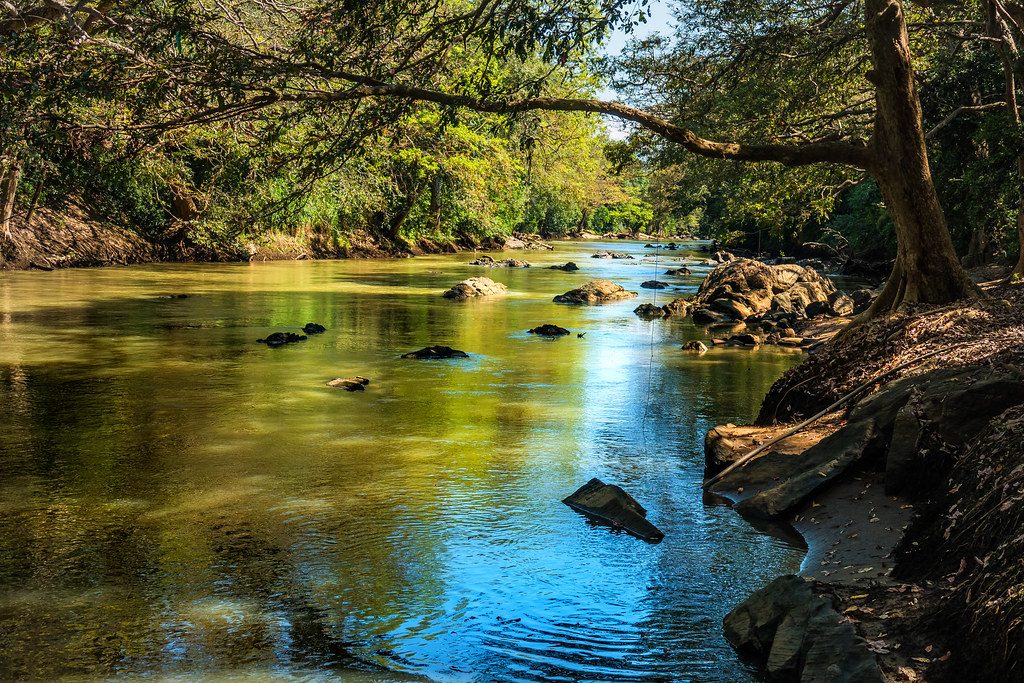
The primary river feeding the park, surrounded by lush gallery forests and diverse riparian wildlife.
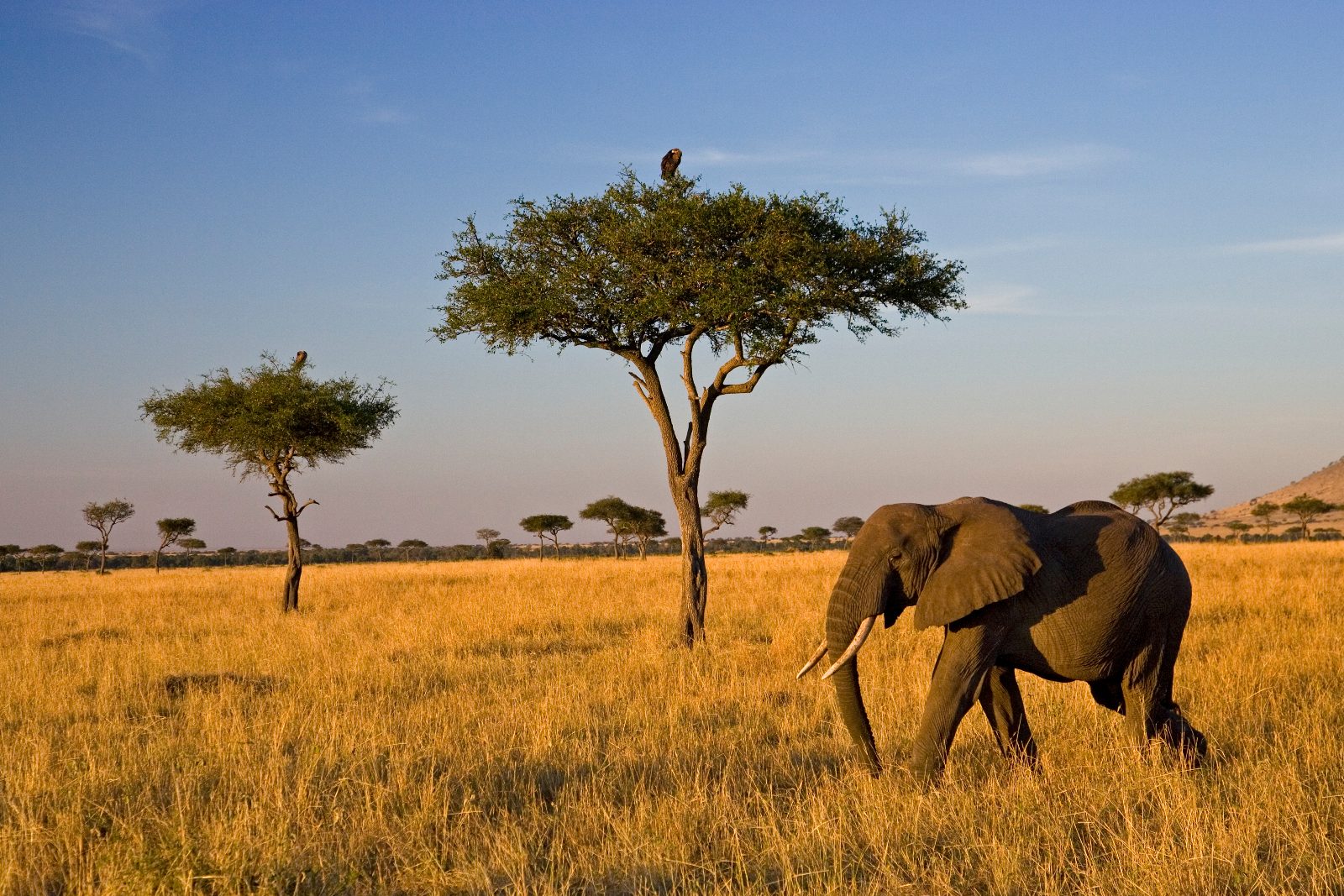
Expansive open fields that provide essential grazing grounds for the park's significant elephant population.
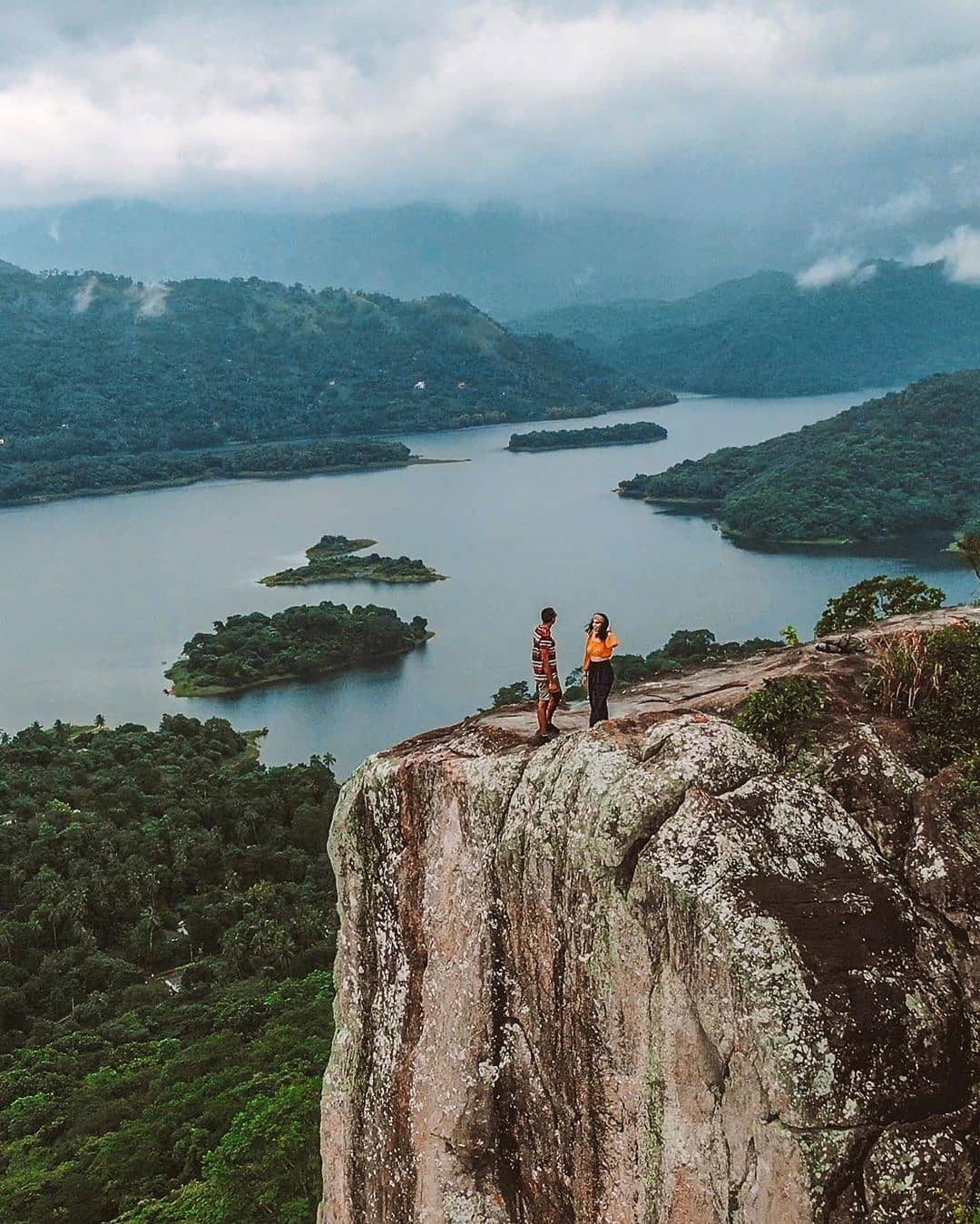
A prominent geological formation providing elevated perspectives over the park's vast, wild terrain.
Every Udawalawe Safari tour side-by-side — duration, what's included, how you redeem.
| Experience | Duration | Rating | Pickup | Skip-the-line | Guide | Free cancel. | Price | |
|---|---|---|---|---|---|---|---|---|
|
Guided Experience Most popular
Udawalawe Elephant Safari with Expert Guide
|
3 hr | ★ 4.9 | ✓ | ✓ | ✓ | ✓ | €20 | Book → |
|
Standard Entry
Udawalawe Safari & Elephant Transit Home
|
4 hr | ★ 4.9 | ✓ | — | — | ✓ | €18 | Book → |
|
Guided Experience
Udawalawa Elephant Safari Experience
|
7 hr | ★ 4.7 | ✓ | ✓ | ✓ | ✓ | €16 | Book → |
All prices from verified partners. Availability and exact terms confirmed at checkout.
They complement each other; most visitors who do both call Yala the more thrilling for predators, while the Udawalawe safari offers superior consistency for elephant encounters.
| Feature | Top pick Udawalawe | Yala |
|---|---|---|
Primary Wildlife Attraction |
Wild Asian Elephants | Leopard and Sloth Bear |
Leopard Spotting Probability |
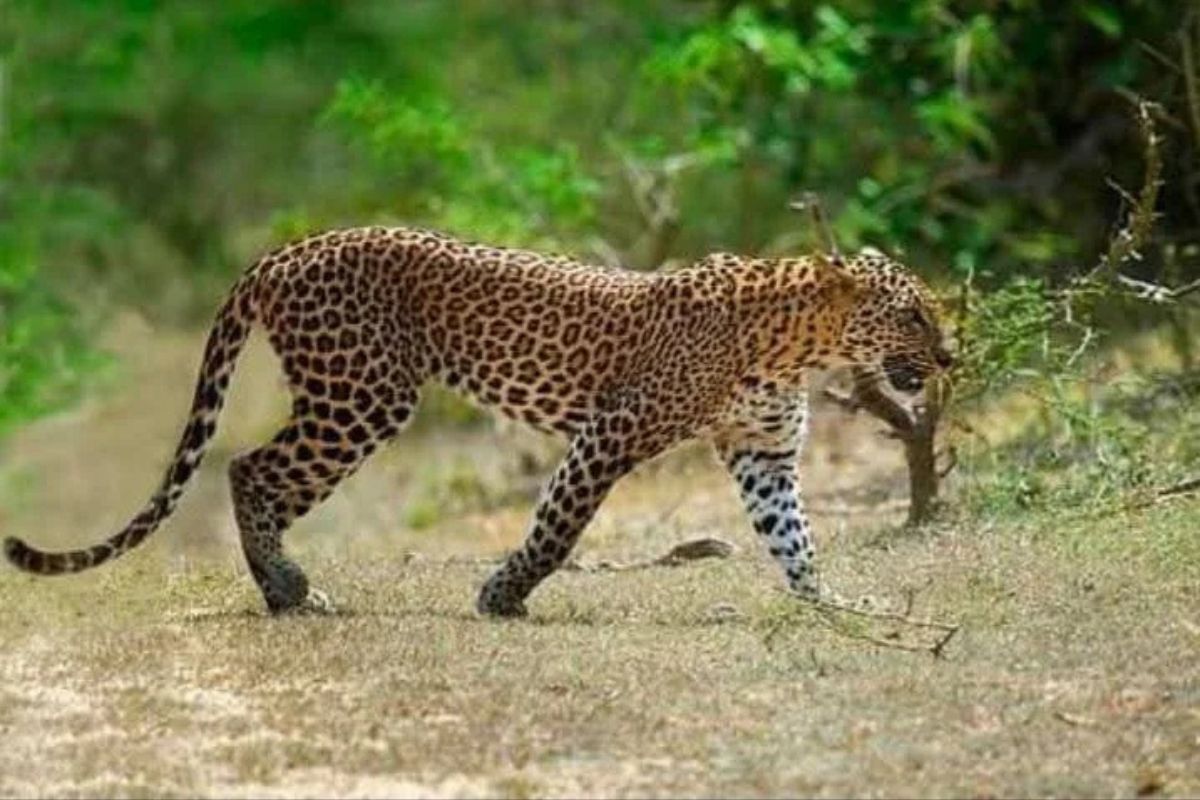
Very low | High |
Crowd Levels |
Moderate | High |
Park Terrain |
Grasslands and reservoir banks | Dry monsoon forest and scrub |
Travel Distance |
Approximately 160km from Colombo | Approximately 265km from Colombo |
| See tickets → |
Verdict: Choose the Udawalawe safari tour if you prioritize guaranteed elephant sightings in a quieter environment, or select Yala if you are focused on purchasing udawalawe safari tickets to witness top-tier predator activity despite heavier crowds, though booking udawalawe safari tours early ensures the best viewing conditions.
Choose your ticket, select your date, and reserve in under two minutes. Secure checkout handled by our verified partner.
Instant confirmation by email, with a mobile voucher you can save offline. No printing, no queuing at a collection desk.
Arrive at the entrance, show your voucher on your phone, and walk in. Most tickets include priority or skip-the-line access.
Practical details for Udawalawe Safari tickets straight from our verified partners — hours, access, rules, and how to get there.
Wear light, breathable clothing in neutral tones to blend into the natural environment. Sun hats and sunglasses are recommended for open-air jeep rides.
Keep all belongings secure within the vehicle. Do not leave bags unattended, as inquisitive monkeys may attempt to access them.
Use telephoto lenses to capture wildlife from a respectful distance. Flash photography is prohibited as it startles animals during an udawalawe safari tour.
Entry is exclusively via high-clearance 4x4 vehicles. Visitors with limited mobility should discuss vehicle boarding needs with their local operator before booking udawalawe safari tickets.
Mobile phones are permitted. Keep ringer off inside exhibition spaces.
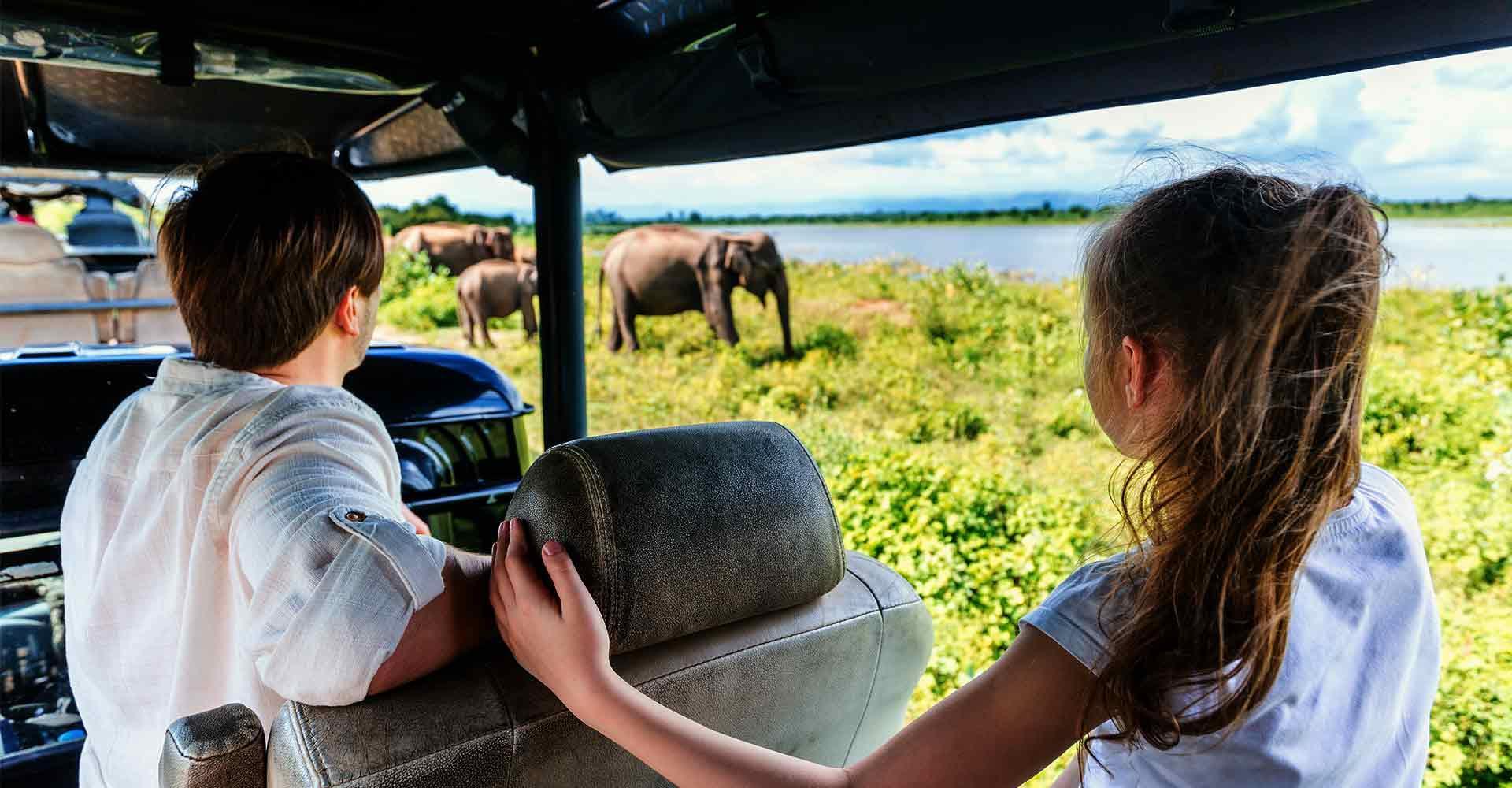
The park is highly suitable for children who enjoy observing animals in their natural habitat. Ensure children remain seated inside the jeep at all times during your udawalawe safari.
Bring sufficient water and light snacks for the duration of your trip. Consumption of food must be done inside the vehicle to prevent attracting wildlife.
Pets are not allowed, with the exception of service animals with appropriate documentation.
Last entry is typically 1 hour before closing. Check the specific ticket for timing.
Best time to go, insider tips, nearby landmarks, and the cancellation fine print — flip through to skim what matters to you.
Flexible, no hidden fees.
Entry fees are generally non-refundable once issued at the gate. Check with your specific tour operator for their unique refund rules regarding the 30 USD entrance fee.
Udawalawe National Park opened in 1972 to protect the catchment of the newly completed Udawalawe Reservoir, a dam that displaced entire villages and submerged thousands of hectares of forest.
The 30,821-hectare reserve was carved from land that once supported shifting cultivation and seasonal grazing, and today it sustains one of the densest wild elephant populations in Asia. Between 500 and 600 elephants live within the park's borders year-round, their movements governed not by migration but by the permanent water source at the reservoir's edge.
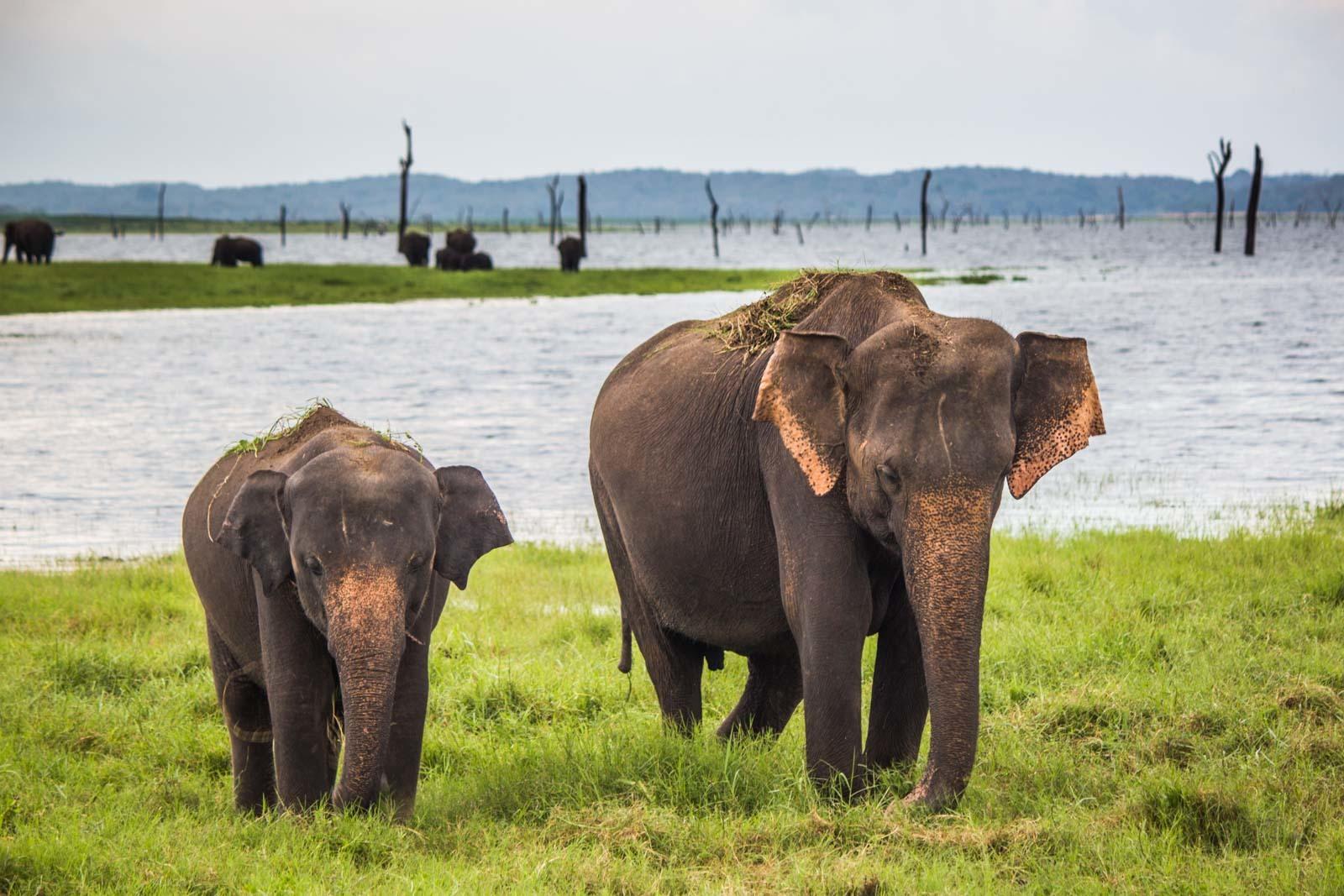
The terrain is strikingly different from Sri Lanka's montane rainforests. Udawalawe sits in the dry zone, where scrubland and grassland dominate. Teak plantations frame the northern boundary. The Walawe River bisects the park, its course dictated by the dam's release schedule. Visitors encounter elephants at close range along the reservoir shoreline, where herds gather in the early morning and late afternoon. The open landscape allows unobstructed sightlines across hundreds of metres, a contrast to the dense canopy that obscures wildlife in Yala or Sinharaja. Calves stay close to matriarchs, and solitary bulls patrol the grassland perimeter.
Beyond elephants, the park shelters 43 mammal species, including water buffalo, spotted deer, and the Sri Lankan sambar. The avifauna is robust: 210 recorded bird species, among them the endemic Sri Lanka junglefowl, grey hornbill, and black-necked stork. Raptors circle above the reservoir, and fish eagles nest in the tallest trees along the water's edge. The dry-zone ecosystem supports reptiles in numbers; mugger crocodiles bask on exposed sandbanks, and monitor lizards patrol the forest floor.
The Elephant Transit Home, established in 1995 adjacent to the park's eastern boundary, rehabilitates orphaned calves before releasing them into the wild. Visitors can observe feeding sessions at scheduled intervals, though the facility operates independently of safari operations. Most udawalawe safari jeep tours depart from the main entrance near the town of Udawalawe, where a cluster of lodges and guesthouses serve as the base for dawn game drives. The park opens at 06:00, and the first vehicles enter as the sun clears the eastern ridge. By mid-morning, elephant herds retreat to shade, and the open plains grow quiet under the heat.
Udawalawe safari price structures vary by operator and vehicle type, with the standard entrance fee for foreign adults set at 30 USD, excluding jeep hire and guide fees. Local pricing tiers apply to Sri Lankan residents. The udawalawe safari price for locals remains significantly lower, reflecting the park's dual mandate as a conservation area and a public amenity. Most udawalawe safari tours include a three-hour game drive, though extended circuits covering the southern grasslands and reservoir loop can stretch to five hours. The park enforces strict vehicle quotas during peak season to limit congestion along the main tracks.
"Between 500 and 600 elephants live within the park's borders year-round, their movements governed not by migration but by the permanent water source at the reservoir's edge."
A step-by-step walkthrough of Udawalawe Safari tickets — what you'll see, how long each stage takes, and the details that matter.
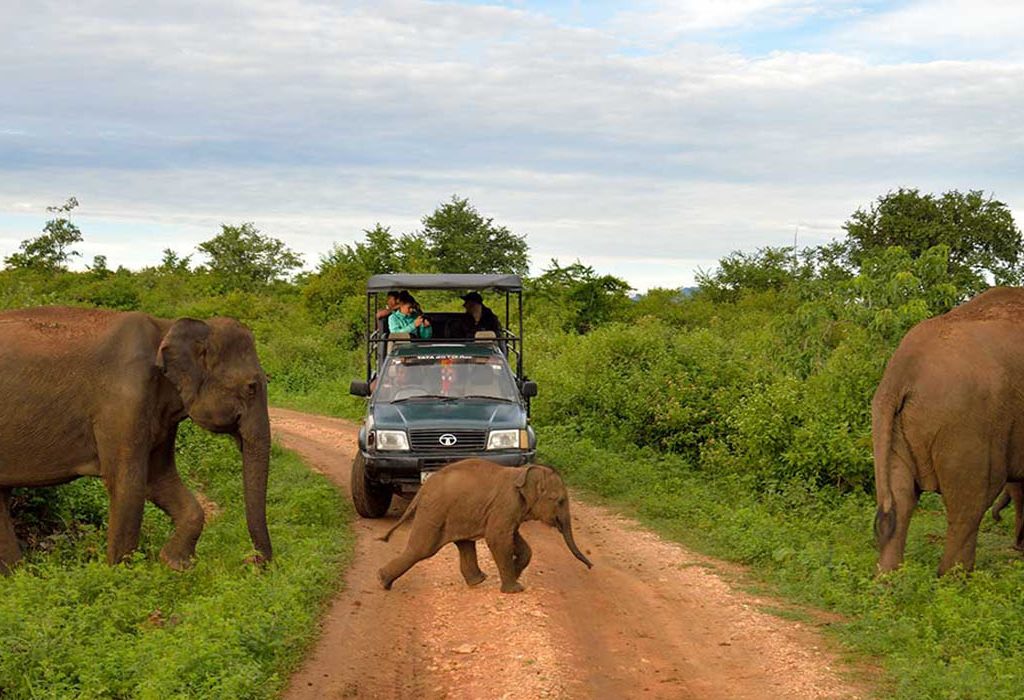
You arrive at the park gate before sunrise, the air still cool and damp. Your jeep rolls through the entrance as the barrier lifts, and within minutes the asphalt gives way to hard-packed dirt. The first elephants appear almost immediately — a small family group crossing the track 30 metres ahead.
The driver cuts the engine. You watch a calf walk beneath its mother's belly, trunk curled upward. The matriarch pauses, ears flared, then leads the group toward a stand of kumbuk trees.
The route follows the reservoir's edge. Water buffalo stand motionless in the shallows, egrets perched along their backs. A crocodile slides from the bank and vanishes beneath the surface. You scan the opposite shore through binoculars and count seven more elephants, their grey forms distinct against the pale grass. The jeep continues along the perimeter road, stopping twice more as herds emerge from the scrub. By 08:00 you have logged 23 elephants, three spotted deer, and a pair of grey hornbills.
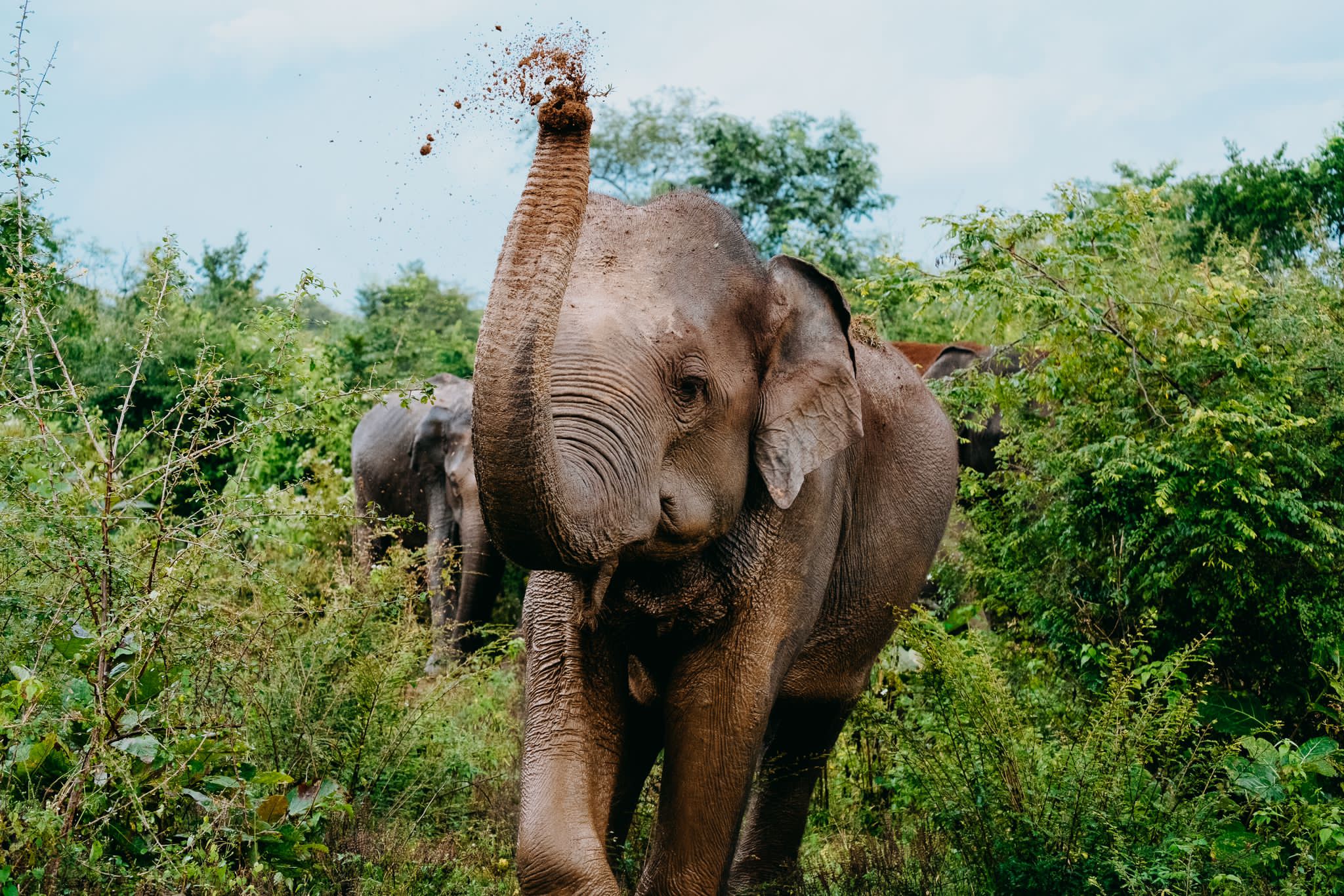
The driver turns inland, following a narrow track through acacia thickets. The landscape opens onto a broad plain, and ahead you see the largest herd of the morning — 14 elephants clustered around a shallow waterhole. A bull stands apart, feeding methodically on thornscrub. You remain in the jeep, engine off, for 12 minutes as the herd drinks and dusts. The light shifts from silver to gold, and the elephants move on.
The entrance fee is 30 USD per foreign adult, excluding vehicle and service fees.
The park is open daily from 06:00–18:00.
The best arrival window is 06:00–09:00, when animals are most active.
Most tours include a licensed driver-guide as part of the vehicle hire.
No strict dress code, but neutral-colored, modest clothing is best for a wildlife excursion.
Yes, but please keep all food inside the jeep and do not litter.
Yes, children often enjoy seeing the large elephant population at the park.
Contact your specific tour operator, as the 30 USD park fee is typically non-refundable.
Yes, the Elephant Transit Home is a popular attraction located nearby.